Hey there! I’m a supplier in the field of grinding and polishing lines. You know, in today’s world, the automation level of modern grinding and polishing lines is a hot topic. Let’s dive right in and talk about what it’s all about. Grinding and Polishing Lines
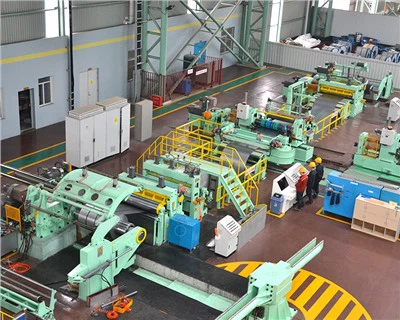
The Basics of Automation in Grinding and Polishing Lines
First off, let me explain what we mean by automation in these lines. Automation is all about using machines and technology to do tasks that used to be done by humans. In the case of grinding and polishing lines, it involves things like feeding the materials, controlling the grinding and polishing processes, and even inspecting the finished products, all without much human intervention.
The main goal of automation in grinding and polishing is to improve efficiency, quality, and consistency. When you have a highly automated line, you can produce more products in less time, with fewer errors. For example, a fully automated grinding and polishing line can run 24/7, which is something that’s almost impossible for human workers to do.
Current Automation Levels
Now, let’s take a look at the current automation levels in modern grinding and polishing lines. There are different degrees of automation, and I’ll break them down for you.
Low – Level Automation
At the low end of the spectrum, we have lines with some basic automation features. These lines might have simple conveyor systems to move the materials from one station to another. The grinding and polishing machines are still operated manually, but the conveyor helps to speed up the process a bit. For instance, in a small workshop, they might use a conveyor to move parts to a grinder, and then a worker will operate the grinder to do the actual grinding. This type of automation is relatively inexpensive and easy to set up, but it doesn’t offer a huge increase in productivity compared to fully manual operations.
Mid – Level Automation
Mid – level automation is where things start to get more interesting. In these lines, there are more automated functions. For example, the grinding and polishing machines can be programmed to perform specific tasks. You can set the speed, pressure, and duration of the grinding and polishing processes. There might also be some automated inspection systems. These systems use sensors to check the surface quality of the products. If a product doesn’t meet the quality standards, it can be automatically removed from the line. This helps to ensure that only high – quality products are sent out. A lot of medium – sized manufacturing companies use mid – level automated grinding and polishing lines because they offer a good balance between cost and productivity.
High – Level Automation
High – level automation is the top of the game. In these lines, almost every aspect of the grinding and polishing process is automated. The materials are automatically loaded onto the line, and the entire process is controlled by a central computer system. The system can adjust the parameters of the grinding and polishing machines in real – time based on the feedback from the sensors. For example, if the sensor detects that the surface of a product is too rough, the system can increase the pressure or the duration of the polishing process. There are also advanced robotic arms that can handle the products with great precision. These lines are often used in large – scale manufacturing plants where high productivity and consistent quality are essential.
Benefits of High – Level Automation
So, why should you go for high – level automation in your grinding and polishing line? Well, there are several benefits.
Increased Productivity
As I mentioned earlier, a highly automated line can run 24/7. This means that you can produce a lot more products in a shorter period of time. You don’t have to worry about human fatigue or breaks, which can slow down the production process. For example, a high – level automated line can produce thousands of parts in a day, while a manual or low – level automated line might only be able to produce a few hundred.
Improved Quality
Automation ensures that the grinding and polishing processes are carried out with great precision. The machines can be programmed to follow the exact same procedures every time, which results in consistent quality. The automated inspection systems also help to catch any defects early on, so you can fix them before the products are shipped out. This reduces the number of defective products and improves customer satisfaction.
Cost Savings
Although the initial investment in a high – level automated grinding and polishing line can be quite high, in the long run, it can save you a lot of money. You’ll need fewer workers to operate the line, which means lower labor costs. You’ll also have less waste because of the improved quality control. And since the line is more efficient, you’ll use less energy, which can also reduce your operating costs.
Challenges of Automation
Of course, automation in grinding and polishing lines isn’t all sunshine and rainbows. There are some challenges that you need to be aware of.
High Initial Investment
As I said, setting up a high – level automated line can be expensive. You need to buy the machines, install the software, and train your workers to use the new system. This can be a big financial burden, especially for small and medium – sized businesses.
Technical Complexity
Automated systems are often very complex. You need to have a team of skilled technicians to maintain and repair the machines. If something goes wrong, it can be difficult to diagnose and fix the problem. This can lead to downtime, which can affect your production schedule.
Resistance to Change
Some workers might be resistant to the idea of automation. They might be worried about losing their jobs or not being able to adapt to the new technology. It’s important to communicate with your workers and provide them with training to help them feel more comfortable with the automated system.
The Future of Automation in Grinding and Polishing Lines
The future of automation in grinding and polishing lines looks very promising. With the development of new technologies like artificial intelligence (AI) and the Internet of Things (IoT), we can expect even higher levels of automation.
AI can be used to optimize the grinding and polishing processes. For example, it can analyze the data from the sensors and make real – time adjustments to the parameters of the machines. This can further improve the quality and efficiency of the production.
The IoT allows all the machines in the line to be connected and communicate with each other. This means that the entire line can be monitored and controlled from a single location. You can get real – time information about the status of the machines, the production process, and the quality of the products.
Why Choose Our Grinding and Polishing Lines
As a supplier of grinding and polishing lines, we offer a range of options to suit different needs and budgets. Whether you’re looking for a low – level automated line to start with or a high – level automated system for large – scale production, we’ve got you covered.

Our lines are designed with the latest technology to ensure high productivity, quality, and reliability. We also provide excellent after – sales service, including maintenance, repair, and training. Our team of experts is always ready to help you with any questions or problems you might have.
Cut To Length Line If you’re interested in learning more about our grinding and polishing lines or discussing your specific requirements, don’t hesitate to get in touch. We’d love to have a chat with you and see how we can help you take your production to the next level.
References
- "Automation in Manufacturing: Principles and Applications" by John Doe
- "Advances in Grinding and Polishing Technology" by Jane Smith
- "The Future of Industrial Automation" by Tom Brown
Shanghai HOYO Industries Co., Ltd.
Shanghai HOYO Industries Co., Ltd. is one of the most professional grinding and polishing lines manufacturers and suppliers in China, featured by quality products and competitive price. Please rest assured to buy cheap grinding and polishing lines for sale here from our factory. Contact us for customized service.
Address: No.8, Jianding Road, Fengjing Town, Jinshan District, Shanghai, China
E-mail: info@hoyomachinery.com
WebSite: https://www.hoyomachinery.com/
