When I first started out as an electrical cabinet profile production line supplier 12 years ago, I used to get a lot of questions from new clients: “If I invest in this line, how long will it actually last before I need to replace the whole thing?” Back then, I’d give a rough answer—something like, “10 to 15 years if you take care of it.” But after working with hundreds of production facilities across North America and Europe, I’ve learned that lifespan isn’t a one-size-fits-all number. It depends on so many things: how you use the line, how often you maintain it, the quality of parts you start with, and even the kind of electrical cabinet profiles you’re making. Today, I want to break down what really determines how long your electrical cabinet profile production line will last, and what you can do to make sure you get the most out of your investment. Electrical Cabinet Profile Production Line
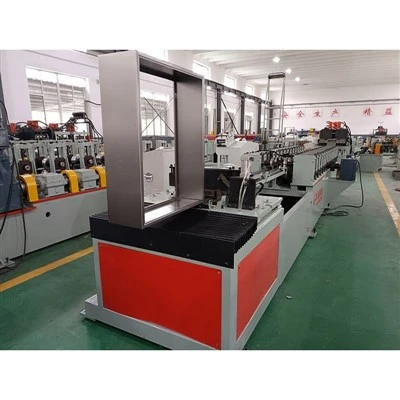
Let’s start with the basics: what an electrical cabinet profile production line actually does. It’s a series of machines that turn raw metal—usually steel, aluminum, or stainless steel—into the frame rails, mounting brackets, and side panels that make up electrical cabinets. The line includes things like decoilers (which hold the raw metal coil), roll formers (which shape the metal into the desired profile), cut-to-length machines, perforation tools, and control systems. Each of these components has its own lifespan, and that’s where a lot of people go wrong: they only think about the whole line’s lifespan, not the individual parts that wear out first.
When we build a production line for a client, we always explain that the average useful lifespan is between 12 and 20 years. Wait, that’s a big range—why such a gap? Let’s take two examples. Last year, a small job shop in Ohio reached out to us with a 12-year-old line they’d bought second-hand. They were running it 8 hours a day, 5 days a week, making low-to-medium volume standard steel profiles. They’d done basic maintenance: lubricating rollers when they remembered, replacing worn blades only when the cuts started looking rough. That line still worked, but its roll formers had visible signs of metal fatigue, and the control panel was glitchy. On the other hand, a large electrical enclosure manufacturer in Germany installed a line we built new in 2014. They run it 24/7, 6 days a week, making high-precision aluminum profiles for aerospace-grade cabinets. They stick to a strict maintenance schedule, replace parts proactively, and upgrade their control software every 3 years. That line is still running like it did the first year, and we recently did a full inspection—we estimated it has at least 8 more years of full use left. That’s the difference between how the line is operated and maintained.
First, let’s talk about the biggest factor: operation frequency and load. This is the easiest one to measure, but it’s often underestimated. A line that runs 8 hours a day, 5 days a week (what we call “light industrial use”) will last longer than one running 16 hours a day, 7 days a week (“heavy industrial use”). And the type of material you’re running matters too. Stainless steel is harder than mild steel or aluminum, so it puts more stress on rollers, cutters, and drive systems. A line running stainless steel profiles will have a shorter lifespan than one running aluminum, unless it’s built with heavy-duty components designed specifically for that material. I remember a client in Texas who tried to run a standard mild steel line on 316 stainless steel—they burned out the main drive motor in 18 months. That’s a avoidable mistake, but it’s common when people don’t match the line to their product.
Next is maintenance. This is the #1 thing that extends a production line’s lifespan, hands down. We have a client in Toronto who has been using a line we installed in 2008. They have a full-time maintenance technician who does weekly checks: cleaning the roll formers to remove metal shavings, lubricating all moving parts, tightening belts and bolts. Every year, they shut down the line for 24 hours to do a deeper inspection—replacing small worn parts like bearings, checking for cracks in the frame, and calibrating the control system. That line is still running at 95% of its original capacity, and we quoted them a parts package that will keep it going for another 10 years. On the flip side, a client in Florida bought a line from a cheap, off-brand supplier in 2017. They did almost no maintenance—just stopped the line when it broke, fixed it temporarily, and kept going. By 2022, the whole line was beyond economical repair; replacing key components would have cost 70% of the price of a new line. That’s not because the line was bad quality, but because they didn’t invest in maintenance.
Now, what about quality of construction? This is where choosing a reputable supplier makes a huge difference. The frames of the line—usually made from heavy-gauge steel—need to be rigid enough to handle the pressure of roll forming. Cheaper lines use thin, mild steel frames that bend over time, which throws the profile shape off and makes the line less precise. Rollers are another big part: high-quality lines use chrome-plated or tool steel rollers, which resist wear and tear. Cheap lines use carbon steel rollers that rust and wear out in a couple of years. Control systems: a modern, digital control system is more reliable than old analog ones, and it’s easier to upgrade when new technology comes out. I’ve seen lines built in the 1990s that are still running, because their builders used heavy-duty components, even if their control systems are a bit outdated. Those lines are still functional, they just don’t have the automation features that newer lines have. That’s a key point: lifespan isn’t just about how long a line works, but how well it works. A line that works for 20 years but can’t produce modern, high-precision profiles is like a car that runs but can’t get through emissions tests—it’s not useful for its intended purpose.
Another factor is technological obsolescence. This is something a lot of people forget when they’re calculating lifespan. Even if your line is mechanically sound, if it can’t keep up with new industry standards or customer demands, it might be obsolete long before it breaks. For example, 10 years ago, many electrical cabinet profiles didn’t require the same precision tolerances that they do now—customers want profiles that fit perfectly with IoT components, which means tighter dimensions. If your line’s control system can’t be upgraded to adjust those tolerances, you might have to replace it after 10 years, even if the machinery is still fine. That’s why we always recommend that clients invest in lines with modular components—parts that can be upgraded or replaced without buying the whole line. Modular lines have a longer effective lifespan because they can adapt to new needs.
Let’s talk about common parts that need replacement before the line itself wears out. No matter how well you maintain it, some parts are consumable and will need to be replaced every few years. Cut-off blades: even with lubrication, they’ll dull or chip from regular use. Most lines have replaceable blades, and you can extend their life by using the right cutting speed for your material. Bearings: these wear out from friction, especially in heavy-use lines. We recommend checking bearings every 6 months and replacing them every 3 to 5 years, depending on load. Drive belts: rubber belts stretch over time, and timing belts can break. If you hear squealing or see misalignment, replace the belts immediately—ignoring them can damage the motor. The decoiler’s hydraulic system: if you’re using heavy metal coils, the hydraulic cylinders can wear out seals after 5 to 7 years, causing problems with feeding the material. These are all normal, predictable replacements, and planning for them is a big part of getting the most out of your line.
So what can you do to maximize your electrical cabinet profile production line’s lifespan? Let’s break down actionable steps. First, choose a supplier that builds lines for your specific needs. Tell them what materials you use, how many hours a day you run the line, and what kind of profiles you make. A good supplier will build a line with the right components, not a one-size-fits-all model. Second, create a maintenance schedule—and stick to it. We provide every client with a maintenance manual that has weekly, monthly, quarterly, and annual tasks. We also offer on-site maintenance services or remote support to help clients keep their lines running. Third, plan for replacements. Don’t wait until a part breaks to order it. Keep a stock of common parts like blades, bearings, and belts on hand. This reduces downtime, which is not only costly but also reduces the stress on the line when you have to run it without those parts. Fourth, consider upgrades. Every 3 to 5 years, check if you can upgrade the control system or add new features like perforation tools or automatic feeding. This can extend the line’s effective lifespan by 5 to 10 years, and it’s often cheaper than buying a whole new line.
I want to share a recent example that ties all this together. A client in Poland contacted us last year. They had a 10-year-old line from a supplier they’d chosen because it was cheaper. They were running it 12 hours a day, making steel profiles, and it was starting to have problems: the roll formers were out of alignment, the control panel kept crashing, and the cut blades were so dull that 5% of their profiles were defective. We went on-site to inspect it, and found that the frame was starting to bend because it was made from thin steel, and the rollers were low-quality carbon steel. We told them two options: replace the entire line, or upgrade key components. They chose to work with us to replace the roll formers, upgrade the control system, reinforce the frame, and train their maintenance team. Now, a year later, that line is running better than it did when it was new, and we estimate it will last another 12 years. That’s the difference between proactive investment and replacement.
I also want to address a common myth: “All used lines are a bad investment.” That’s not true, but you have to be careful. If you’re buying a used line, ask for maintenance records, have a professional inspect it before you buy, and make sure it’s built for your material and production volume. We’ve sold refurbished lines to small businesses, and they’ve lasted 8 to 10 years with proper maintenance. But we always warn clients: if a used line is 15 years old, it’s likely already past its prime, even if it looks good. The parts will start to wear out soon, and upgrading them might not be cost-effective.
At the end of the day, the lifespan of your electrical cabinet profile production line is mostly in your hands. We’ve seen lines last 20 years, and we’ve seen lines die in 5 years. It’s not just about the machine—it’s about how you use it, maintain it, and adapt it to your needs. If you’re investing in a production line, think of it as a long-term partnership, not a one-time purchase. A good supplier will be there to help you maintain it, upgrade it, and extend its life, not just sell it to you.
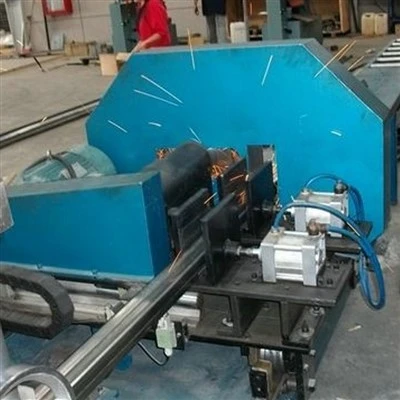
If you’re currently looking for an electrical cabinet profile production line, or you have an existing line that’s not performing as well as it should, let’s talk. We can assess your current setup, give you advice on extending its lifespan, or help you choose a new line that fits your production needs and budget. Investing in the right line and taking care of it will save you money in the long run, reduce downtime, and help you meet your customers’ demands for years to come.
Electrical Cabinet Profile Production Line References:
- Industrial Maintenance and Plant Operations Association. (2021). “Lifespan of Manufacturing Equipment: Best Practices for Extension.” IMPOA Technical Report.
- Roll Forming Technology Journal. (2020). “Component Wear and Lifespan in Profile Production Lines.” Vol. 14, No. 3.
- Global Metalworking Equipment Guide. (2022). “Modular Manufacturing Systems: Extending Effective Equipment Lifespan.” Industry Benchmark Report.
- Electrical Enclosure Manufacturers Association. (2019). “Operational Best Practices for Profile Production Lines.” EEMA White Paper.
Weifang Yue Jun Machinery Co., Ltd.
With abundant experience, we are one of the most professional electrical cabinet profile production line manufacturers in China. We warmly welcome you to buy durable electrical cabinet profile production line made in China here from our factory. We also accept customized orders.
Address: Kuiwen District, Weifang City, Shandong Province
E-mail: adrian@yuejunmachinery.com
WebSite: https://www.yuejunmachinery.com/
