If you’ve ever walked past a commercial printing shop or seen the behind-the-scenes of a large-format print run, you might’ve noticed hundreds of small, easily overlooked parts working nonstop to keep the press moving. One of those parts is silicone tubing, and for years, it’s flown under the radar as a viable solution for some of printing’s most common pain points. As a silicone tubing supplier, I get asked this question all the time: Can silicone tubing actually be used in the printing industry? The short answer is yes—and it’s not just a passing trend, either. It’s a solution that solves specific, costly problems that many print shops deal with daily, from ink contamination to inconsistent flow rates. Let’s break down how this works, why it matters, and what you need to know if you’re considering making the switch for your operation. Silicone Tubing
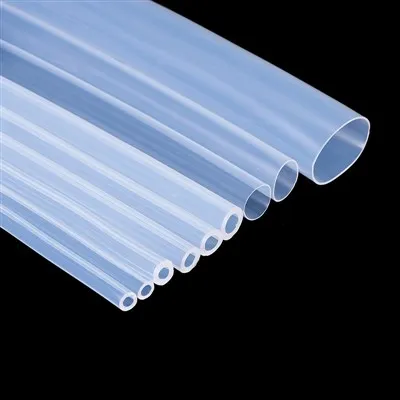
First, let’s get on the same page about what we’re talking about here. Printing, whether it’s offset, flexographic, digital, or wide-format UV printing, relies on moving fluids: inks, solvents, cleaning agents, and coating solutions. These fluids have unique properties—some are sticky, some are harsh, some need to stay free of contaminants to avoid ruining a print run. Most print shops have historically used rubber or plastic tubing for these tasks, but both have clear drawbacks. Natural rubber, for example, breaks down quickly when exposed to solvents or UV light, leading to leaching of rubber particles into ink, which causes streaks or defects in prints. Plastic tubing, like PVC or polyethylene, is cheap, but it can leach plasticizers, especially when exposed to warm fluids, and it’s not very flexible in cold temperatures, making it hard to route around tight press components.
Silicone tubing, on the other hand, is made from a synthetic polymer that’s known for its thermal stability, chemical resistance, and non-reactive nature—properties that make it a great fit for printing applications. Let’s start with one of the biggest issues in printing: contamination. Even tiny particles in ink or coating can ruin an entire print run, which costs shops thousands of dollars in materials and labor. Silicone is inert, meaning it doesn’t react with most chemicals used in printing: water-based inks, solvent-based inks, UV-cured coatings, even isopropyl alcohol used for cleaning press parts. Unlike rubber or plastic, it doesn’t shed micro-particles or leach additives into fluids, which means the ink stays pure and the final print quality stays consistent. I’ve worked with a large flexo shop in the Midwest that was going through three sets of rubber tubing a month because of ink contamination. When they switched to silicone tubing, their defect rate dropped by 18% in the first quarter—no more streaks from rubber particles, no more wasted print runs. That’s a number that directly hits their bottom line.
Next, flow consistency. Printing depends on precise fluid delivery: too much ink and the print bleeds, too little and it’s faded, inconsistent flow causes uneven color across a run. Silicone has a smooth inner surface, which means fluids move through it without getting caught or building up residue over time. Some tubing materials, over time, develop a rough inner lining as they break down, which traps ink and causes clogs. Silicone doesn’t do that—its smooth interior stays consistent even after months of use, so flow rates stay steady. This is especially critical for wide-format UV printing, where UV inks cure instantly, and even a small clog or flow fluctuation can ruin a 10-foot sign or banner that costs $500 or more. Another customer of mine, a wide-format print shop on the West Coast, told me they used to have to flush their tubing every two days because of ink buildup. With silicone tubing, they go a full two weeks between flushes, cutting down on cleaning time and ink waste. That’s not just a convenience—it’s a major cost saver.
Temperature resistance is another big win for silicone in printing. Many print runs involve heated fluids: some inks need to be warmed to maintain their viscosity, and UV curing systems generate a lot of heat around the press lines. Silicone tubing can handle temperatures from -60°F to 450°F (-50°C to 232°C), which covers almost every printing temperature range. Compare that to PVC, which starts to break down at around 140°F, or nitrile rubber, which hardens in cold temperatures and softens in heat, leading to leaks. I had a customer that runs offset printing, where they use warm water-based inks, and their old rubber tubing would swell and leak when the ink was at 120°F. Silicone tubing holds its shape at that temperature, no leaks, no swelling—easy fix for a problem that was causing them to stop presses mid-run.
But silicone tubing isn’t one-size-fits-all, right? That’s important to mention, because not every silicone tubing grade works for every printing application. There’s general-purpose silicone, but there’s also medical-grade silicone, food-grade silicone, and specialized grades for UV exposure or harsh solvents. For example, if you’re dealing with UV-cured inks, you need silicone tubing that’s formulated to resist UV degradation—regular silicone will break down over time when exposed to constant UV light, causing it to become brittle and crack. We make a UV-stabilized silicone grade specifically for that purpose, which lasts two to three times longer than general silicone in high-UV press environments. For solvent-based inks, some solvents are harsher than others, so we have a high-purity silicone grade that’s resistant to alcohol, esters, and other common printing solvents, without leaching any additives. That’s why it’s important to work with a supplier that understands both silicone materials and the specific needs of the printing industry—you don’t want to buy the wrong grade and end up with the same problems you had before.
Another point that print managers don’t always consider: ease of use and maintenance. Silicone tubing is flexible, which makes it easy to route around tight spaces on a press—something that rigid plastic tubing can’t do. It’s also easy to clean, and because it’s non-porous, it doesn’t hold onto odors or old ink colors, so you can switch between ink colors without extensive cleaning. Some print shops that run multiple jobs a day told me that switching from rubber tubing to silicone cut their changeover time by 30% because they don’t have to scrub the tubing as thoroughly to remove old ink. That’s a huge deal in an industry where time is money—every minute a press is down is lost revenue.
Of course, no material is perfect, and silicone tubing has some limitations to keep in mind. It’s not the best choice for all printing applications, for example, if you’re handling certain highly specialized chemicals that react with silicone, like strong acids or bases. But for the vast majority of common printing fluids—water-based inks, solvent-based inks, UV inks, cleaning solvents—silicone works great. It’s also more expensive upfront than some rubber or plastic tubing, but when you factor in lower defect rates, less maintenance, longer lifespan, and less waste, the total cost of ownership is actually lower. I always tell customers to look at the long-term numbers, not just the initial price tag. One customer that switched spent 20% more on silicone tubing upfront, but saved 40% on parts and labor in the first six months because they weren’t replacing tubing every few weeks and had fewer print defects.
I’ve spent 12 years as a silicone tubing supplier, and I’ve seen a lot of materials come and go in the printing industry. Silicone is different because it addresses core, long-standing problems that print shops have been dealing with for decades. It’s not just a “new” material that sounds good on paper—it’s a proven solution that’s making a real difference for shops of all sizes, from small local print shops to large commercial operations with 20+ presses.

If you’re a print manager or production supervisor reading this, and you’re tired of dealing with ink contamination, clogs, leaks, and constant tubing replacements, it’s worth taking a closer look at silicone tubing. The first step is to figure out what grade is right for your specific applications—don’t just buy the cheapest silicone tubing you can find, because not all silicone is created equal. Work with a supplier that has experience in the printing industry, that can walk you through the different grades, test a sample for your specific fluid, and help you calculate the real cost savings. If you’d like to discuss your specific needs, run a test of our silicone tubing for your press lines, or get a quote tailored to your operation, feel free to reach out to us. We’ve helped dozens of print shops make the switch, and we can help you too.
Silicone Cooking Utensils At the end of the day, printing is all about quality and efficiency. Every small part in your press—from the tubing that moves ink to the rollers that apply it—matters. Silicone tubing isn’t just a replacement for old materials; it’s an upgrade that can make your operation run smoother, produce better prints, and save you money in the long run. It’s been a game-changer for the print shops I work with, and I believe it can be for yours too.
References
- International Society of Automation. (2019). Material Compatibility Guidelines for Fluid Transfer in Industrial Printing.
- Silicone Technology Institute. (2021). Properties of Medical-Grade Silicone for Industrial Applications.
- Print Quality Association. (2020). Common Contamination Issues in Flexographic Printing Presses.
- Journal of Industrial Printing Engineering. (2022). Long-Term Performance of Tubing Materials in UV-Cured Ink Systems.
- American National Standards Institute. (2018). Specifications for Fluid Transfer Tubing in Commercial Printing Operations.
Dongguan Hengyue New Material Technology Co., Ltd.
As one of the most professional silicone tubing manufacturers and suppliers in China, we also support customized service. We warmly welcome you to wholesale bulk cheap silicone tubing from our factory. If you have any enquiry about quotation and free sample, please feel free to email us.
Address: Building 2, No. 3, Yindou Third Road, Qingxi Town, Dongguan City, Guangdong Province
E-mail: dghengyue@126.com
WebSite: https://www.hengyuesilicone.com/
