What is the sound absorption coefficient of WPC Wall Panels?
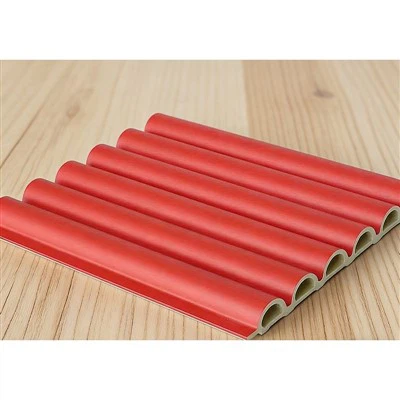
As a supplier of WPC (Wood – Plastic Composite) wall panels, I’ve often been asked about the sound absorption coefficient of our products. This is an important aspect, especially for customers looking to use WPC wall panels in spaces where noise control is a concern, such as offices, recording studios, or even residential bedrooms. In this blog, I’ll delve into what the sound absorption coefficient is, how it relates to WPC wall panels, and what factors can influence it. WPC Wall Panel
Understanding the Sound Absorption Coefficient
The sound absorption coefficient is a measure that indicates how well a material can absorb sound. It is usually expressed as a number between 0 and 1. A coefficient of 0 means that the material reflects all the sound that hits it, while a coefficient of 1 means that the material absorbs all the sound. For example, a perfectly rigid and smooth wall would have a sound absorption coefficient close to 0, as it reflects most of the sound waves. On the other hand, a thick, porous acoustic foam might have a coefficient close to 1, effectively absorbing a large portion of the incoming sound.
This coefficient is typically measured at different frequencies because materials can absorb sound differently depending on its pitch. For instance, a material might absorb low – frequency sounds well but not high – frequency ones, or vice versa. Standard frequencies used for testing are 125 Hz, 250 Hz, 500 Hz, 1000 Hz, 2000 Hz, and 4000 Hz. The overall sound absorption performance of a material is often described by an average of these coefficients at different frequencies.
Sound Absorption Coefficient of WPC Wall Panels
WPC wall panels are made from a combination of wood fibers and plastic polymers. This unique composition gives them certain characteristics that affect their sound absorption. Generally, the sound absorption coefficient of WPC wall panels is in the range of 0.1 – 0.3. This means that they absorb between 10% – 30% of the sound that hits them at various frequencies.
Compared to some traditional wall materials, such as concrete or brick, WPC wall panels have a relatively higher sound absorption coefficient. Concrete and brick are dense materials that tend to reflect a large amount of sound. In a room with concrete walls, sound waves bounce back and forth, creating echoes and increasing the overall noise level. WPC wall panels, with their more porous and less – dense structure compared to concrete, can help to reduce these reflections and absorb some of the sound energy, making the space quieter.
However, when compared to specialized acoustic materials like acoustic panels made from fiberglass or mineral wool, the sound absorption coefficient of WPC wall panels is lower. These acoustic materials are designed specifically for high – level sound absorption and can have coefficients well above 0.5, sometimes even approaching 1.
Factors Influencing the Sound Absorption Coefficient of WPC Wall Panels
There are several factors that can influence the sound absorption coefficient of WPC wall panels:
1. Composition
The ratio of wood fibers to plastic polymers in the WPC mixture plays a significant role. A higher proportion of wood fibers can increase the porosity of the panel, which in turn can improve its sound absorption. Wood fibers have a more porous and irregular structure compared to plastic, allowing sound waves to penetrate and be absorbed more effectively.
2. Density
The density of the WPC wall panel affects its sound absorption. A lower – density panel is generally more porous, providing more pathways for sound waves to travel through and be absorbed. However, if the density is too low, the panel may lack the structural integrity required for installation.
3. Thickness
Thicker WPC wall panels tend to have a higher sound absorption coefficient. As the sound waves travel through a thicker panel, they have more material to interact with, increasing the chances of absorption. For example, a 10 – mm thick WPC wall panel may have a lower sound absorption coefficient compared to a 20 – mm thick panel.
4. Surface Texture
The surface texture of the WPC wall panel can also impact sound absorption. A panel with a rough or textured surface can scatter sound waves, increasing the likelihood of absorption. In contrast, a smooth – surfaced panel may reflect more sound. Some of our WPC wall panels are designed with embossed or patterned surfaces to enhance their sound – absorbing properties.
5. Installation Method
How the WPC wall panels are installed can affect their sound absorption. If there are gaps or spaces between the panels or between the panels and the wall, sound can leak through, reducing the overall sound absorption performance. Proper installation, including using appropriate adhesives and ensuring a tight fit, is crucial for achieving the best possible sound absorption.
Applications Based on Sound Absorption
Given the sound absorption characteristics of WPC wall panels, they are suitable for a variety of applications:
1. Residential Use
In homes, WPC wall panels can be used in bedrooms, living rooms, or home theaters. In bedrooms, they can help to reduce outside noise and create a more peaceful sleeping environment. In home theaters, they can improve the audio quality by reducing echoes and reflections.
2. Commercial Spaces
In offices, WPC wall panels can be installed to reduce background noise, improving the concentration and productivity of employees. In restaurants and cafes, they can create a more comfortable dining environment by reducing the noise level from conversations and kitchen activities.
3. Educational Institutions
Schools and universities can benefit from using WPC wall panels in classrooms, libraries, and auditoriums. In classrooms, they can help to improve the clarity of the teacher’s voice, while in libraries, they can create a quiet study environment.
Improving the Sound Absorption of WPC Wall Panels
If customers require a higher level of sound absorption, there are several ways to enhance the sound – absorbing properties of our WPC wall panels:
1. Adding Acoustic Underlay
Installing an acoustic underlay behind the WPC wall panels can significantly improve their sound absorption. The underlay acts as an additional layer of sound – absorbing material, increasing the overall sound absorption coefficient of the wall system.
2. Combining with Other Acoustic Materials
WPC wall panels can be combined with other acoustic materials, such as perforated acoustic panels or acoustic foams. This combination can take advantage of the different sound – absorbing properties of each material, resulting in a more effective sound – control solution.
Conclusion
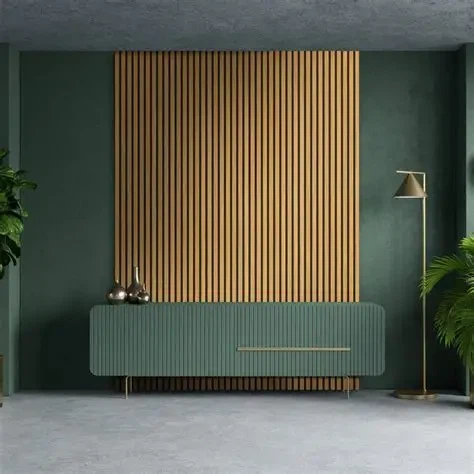
The sound absorption coefficient of WPC wall panels is an important consideration for many of our customers. While they may not have the highest sound absorption compared to specialized acoustic materials, their combination of moderate sound absorption, durability, and aesthetic appeal makes them a popular choice for a wide range of applications. By understanding the factors that influence the sound absorption coefficient and exploring ways to improve it, we can provide our customers with the best possible solutions for their noise – control needs.
Foil Vapour Barrier If you are interested in learning more about our WPC wall panels and how they can meet your sound – absorption requirements, or if you have any questions regarding our products, please don’t hesitate to contact us for a procurement discussion. We are committed to providing high – quality products and excellent service to our customers.
References
- Beranek, Leo L. "Acoustics." American Institute of Physics, 1954.
- Kinsler, Lawrence E., et al. "Fundamentals of Acoustics." Wiley, 2000.
- Craik, R. J. M. "Engineering Materials 1: An Introduction to Properties, Applications and Design." Elsevier, 2009.
Hangzhou Eastopo New Marterial Technology Co., Ltd.
As one of the most professional wpc wall panel manufacturers and suppliers in China, we offer a wide range of products with superior quality. Please rest assured to wholesale custom made wpc wall panel from our factory. Good service and reasonable price are available.
Address: Room 304-20, Block B, Building 1,2,3&4, Kaixuan Jinniu Fang, Shangcheng District, Hangzhou, Zhejiang, China.
E-mail: mj@eastopo.com
WebSite: https://www.eastopo.com/
