Hey everyone, let’s cut to the chase — if you’ve ever visited a construction site, event venue, or even a cinema set, you’ve probably seen scaffolding towers scattered around. They’re the unsung heroes of quick access for repairs, painting, or setting up stages. But here’s a question I get all the time, both from contractors and folks just starting out in the industry: “Can a scaffolding tower be recycled?” As a scaffolding tower supplier who’s been in the game for 12 years, I’m here to give you the real, no-fluff answer, not the corporate jargon you might find online. Scaffolding Tower
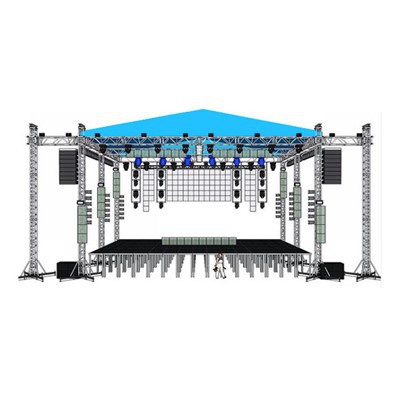
First off, let’s talk about what scaffolding towers are made of. 90% of the ones we supply are aluminum — and for good reason. Aluminum is lightweight, rust-resistant, and super durable, which makes it perfect for moving around sites and setting up/taking down fast. The other 10% we offer is steel, usually for heavy-duty jobs where extra weight and stability matter most. Both materials are recyclable, but there’s a big difference between “being recyclable” and actually being recycled, right? I’ve seen too many towers end up in skip bins because people don’t know the right way to handle them when they’re done with use.
Let’s start with aluminum scaffolding towers, since that’s what most small to medium contractors go for. Every time a tower comes back to our yard after a job, the first thing our team does is inspect it. Even if a part looks a little dented or has a scuff, we don’t just toss it. Aluminum parts — the uprights, cross braces, platform decks — can be cleaned, repaired, or repurposed. For example, if a small section of an upright has a bend that’s beyond repair, we can send that specific part to an aluminum recycling center. Those centers melt down old aluminum scrap, purify it, and turn it into new products — from bike frames to car parts to, you guessed it, new scaffolding components. The best part? Aluminum can be recycled infinitely without losing its strength, which is way more than you can say for a lot of other materials. The only catch with aluminum scaffolding is that you can’t just throw it in your curbside recycling bin. It’s bulk metal, so you need to find a scrap yard that accepts large metal items, or a supplier that takes back old units for recycling. That’s where we come in — we offer a take-back program for our used aluminum towers, because we know recycling them properly is way better for the planet than letting them sit in a landfill.
Now, steel scaffolding towers. Steel is also 100% recyclable, but it’s heavier and more prone to rust if it’s not maintained. We see a lot of old steel towers that have been left out in the rain for years, so the steel has corroded. Even so, most steel scrap yards will still accept it — they just have to process it a bit more to remove the rust, but it still works. The problem with steel is that it’s heavier to transport, so if you have a tower that’s beyond repair, the cost of shipping it to a recycling center might be higher than the scrap value. That’s why we always advise contractors to get the longest possible use out of their towers. For steel, that means storing it in a dry place when not in use, wiping down joints after wet jobs, and tightening bolts regularly to prevent wear. We’ve had steel towers in our fleet that are over 20 years old — they’re still going strong, which means less waste and more savings for our customers.
But here’s the thing: not every part of a scaffolding tower is recyclable. Let’s be real, the small stuff — the plastic caps on the ends of uprights, the rubber feet that keep the tower from sliding, maybe some old fasteners that have corroded beyond use — those are tricky. Plastic caps, for example, are usually made of PVC or polyethylene, and while some recycling centers take plastic, they often don’t want small, mixed plastic parts from scaffolding. The good news is that we’ve started switching to reusable rubber feet and metal end caps, so we can refurbish them instead of throwing them away. If you have to replace a plastic part, check with your local recycling facility first — some take small plastic items, but many don’t, so we always recommend keeping spare parts on hand to extend the life of your tower.
I can’t tell you how many times I’ve heard a contractor say, “I’ll just buy a cheap scaffolding tower, use it once, and throw it away.” I get it — upfront cost is a big factor. But here’s the math: a good aluminum scaffolding tower from us costs a bit more initially, but if you take care of it, you can rent it out for years, resell it when you’re done, or send it back for recycling. A cheap, disposable tower? It might break after a couple of uses, and then you’re left with a hunk of metal that’s either in a landfill or costing you money to get rid of. That’s why we’re big on educating customers about the lifecycle of their towers. We even host free workshops for local contractors on how to maintain their scaffolding to get the most out of it — and how to recycle it properly when it’s time to retire.
Now, what about the environmental side of this? I’m not a scientist, but I’ve read the data. Recycling aluminum uses 95% less energy than making new aluminum from bauxite ore. That’s a huge number — it means less mining, less energy use, lower carbon emissions. For steel, recycling uses about 30% less energy than making new steel. So every scaffolding tower that gets recycled instead of landfilled is a win for the planet. Landfills are also a problem for metal — metal in landfills can leach chemicals into the soil and water over time, especially if it’s corroded. So not recycling your scaffolding isn’t just a waste issue, it’s an environmental one.
But here’s the reality: even though scaffolding towers are recyclable, a lot of them still end up in landfills. Why? Because people don’t know how to recycle them, or they don’t want to deal with the hassle of transporting them. That’s where we step in. Our take-back program means you don’t have to figure out the logistics — when your tower is done, you call us, we pick it up (for a small fee that’s way less than the cost of a new part), and we send it to a certified recycling center. We even sort the parts: the aluminum goes to one place, the steel to another, and any non-recyclable small parts are disposed of properly at a waste facility that handles hazardous materials (like old, corroded fasteners that might have small amounts of metal coating).
Wait, let’s address a common myth: some people think scaffolding towers are too big or too bulky to recycle. Nope — scrap yards specialize in large metal items. A standard 6-meter aluminum tower is totally manageable for a scrap yard to process. The key is that you can’t just leave it out on the curb; you need to coordinate with a recycling center that accepts bulk metal. That’s why our take-back program is so popular — it removes that hassle for our customers.
Another thing: if you’re looking to buy a used scaffolding tower, don’t count it out just because it’s “old.” We refurbish most of the used towers we take back — we replace worn parts, sand down any rust, repaint if needed, and sell them at a discount. That’s a way to reduce waste without having to buy brand new. We’ve had customers who’ve bought a 5-year-old tower from us, used it for three years, and then sold it back to us for a small credit — so they essentially got free use out of it. That’s a win-win for everyone, and way better than tossing it in a bin.
I’ve been in this industry long enough to see trends come and go, but one thing that’s stuck with me is that contractors are starting to care more about sustainability. Not just because it’s the right thing to do, but because it’s good for business. Clients are asking for eco-friendly practices, and contractors who can show they’re recycling their equipment stand out from the competition. So investing in a quality scaffolding tower that you can reuse, resell, or recycle isn’t just a personal choice — it’s a business decision that makes sense.
Now, let’s wrap this up. Can a scaffolding tower be recycled? Absolutely. Aluminum ones can be recycled infinitely, steel ones can be recycled over and over again, and even most small parts can be handled properly if you know where to go. The only barrier is not knowing how to do it, which is why we’re here. If you’re a contractor, a event planner, or anyone who needs a scaffolding tower, reach out to us to talk about your needs, whether it’s a new tower, a used one, or info on our take-back and recycling program. We’re not just here to sell you equipment — we’re here to help you make smart, sustainable choices that work for your budget and the planet.

Don’t wait until your old tower is sitting in a skip bin — let’s talk about how to give it a second life, or recycle it properly. The small choices we make with our equipment add up to big things for everyone.
Aluminum Stage References
- Aluminum Association. (2023). Aluminum Recycling Statistics.
- Steel Recycling Institute. (2022). Benefits of Steel Recycling.
- Occupational Safety and Health Administration (OSHA). (2021). Scaffolding Maintenance and Disposal Guidelines.
Jiangsu Shizhan Group Co., Ltd.
Jiangsu Shizhan Group Co., Ltd. is one of the most professional scaffolding tower manufacturers and suppliers in China, specialized in providing high quality products and service. We warmly welcome you to buy custom made scaffolding tower at competitive price from our factory. Contact us for more details.
Address: 80# Xixin Road, Xibei Town, Xishan District, Wuxi, Jiangsu, China
E-mail: jsshizhan@shizgroup.com
WebSite: https://www.leadertrusses.com/
