If you’ve ever worn a Continuous Glucose Monitor (CGM), you’ve probably found yourself staring at the small sensor on your abdomen or upper arm, wondering: “How long am I stuck with this thing?” As a CGM supplier, I get this question all the time—from patients who don’t want to deal with repeated insertion pain, from busy caregivers juggling diabetes management for loved ones, even from clinicians who are trying to help their patients pick the right device for their lifestyle. The answer isn’t a one-size-fits-all, and it depends on a mix of device design, clinical guidelines, and even how you take care of your sensor. Let’s break this down, plain and simple, no jargon included. CGM

First, let’s start with what a CGM sensor actually does, because that context matters. A CGM doesn’t just check your glucose once a day—it’s a small, disposable sensor inserted just under the top layer of your skin that measures glucose in the interstitial fluid (the fluid around your cells) every few minutes, then sends that data to a receiver, smartwatch, or smartphone. That’s way more frequent than the once-every-few-days fingersticks most people with type 1 or advanced type 2 diabetes use, which is why CGMs are such a game-changer for spotting hidden highs or lows that fingersticks miss. But that constant data collection puts wear and tear on the sensor itself, which is why there are limits to how long it can work.
The most immediate factor in sensor lifespan is the device’s manufacturer design. Different CGM systems are built with different components, which translates to different wear times. For example, some of the earliest CGM models on the market were only designed to work for 3 to 5 days. These were bulky, required daily calibration with fingersticks, and many people hated having to pull a new sensor every week—especially active people who found insertion and removal a hassle. Today’s technology has come a long way: most modern CGMs approved by regulatory bodies like the U.S. Food and Drug Administration (FDA) or the European Medicines Agency (EMA) have a 7 to 14 day lifespan, and some even reach up to 21 days. That extra week or two makes a huge difference for people who want to minimize the number of insertion sites and avoid the skin irritation that can come from sticking a needle in the same spot over and over.
Wait, you might be asking—why can’t a sensor last forever? That’s a fair question, and there are two main scientific reasons for those hard limits. The first is sensor degradation. The tiny enzyme that sits on the tip of the sensor, glucose oxidase, reacts with glucose to produce the electrical signal that the CGM uses to calculate your glucose level. Over time, that enzyme breaks down or becomes less effective as it’s exposed to body fluids, temperature changes, and even friction from clothing or showering. By the end of the sensor’s designed lifespan, that enzyme’s activity is too low to produce accurate readings, so the CGM will alert you that it’s time to replace it—no amount of calibration will fix that. The second reason is signal interference. The interstitial fluid has a lot of other molecules besides glucose, and as the sensor stays in place longer, it can start to pick up more of those other molecules instead of the glucose it’s supposed to track. That “background noise” makes the readings less accurate, which is a big problem for people with diabetes who rely on that data to make insulin dose decisions.
Now, just because the manufacturer says a sensor lasts 10 days doesn’t mean it will automatically work the full 10 days. A lot of factors under your control can shorten a sensor’s lifespan, which is something we share with every customer when we walk them through how to use their CGM. Let’s start with insertion technique. If you insert the sensor too deep, it can hit muscle tissue instead of the interstitial layer, which makes the readings less accurate right away and can cause irritation that makes you want to remove it early. If you insert it too shallow, it might not stay in place, especially if you’re very active or have sensitive skin. Then there’s skin care: if you don’t clean the insertion site properly before putting the sensor on, bacteria can get in, cause an infection, and make you have to take it out way before the end of the cycle. Some people also have skin that’s too oily or sweaty, which can make the adhesive that holds the sensor in place stop working—so if you’re a runner, a dancer, or work in a very hot environment, you might find your sensor coming loose after a few days, even if it’s rated for 14 days.
On the flip side, some people find that their sensor lasts longer than the manufacturer’s recommended wear time. Is that a good thing? Not usually. Even if the sensor is still attached to your skin after 14 days, the accuracy drops so much that the data becomes unreliable. We’ve had customers who tried to stretch a sensor to 16 days because they were traveling and didn’t want to carry extra sensors, and they ended up with a reading that said their glucose was 120 mg/dL when it was actually 180 mg/dL—they took too much insulin, had a low blood sugar, and had to eat a whole banana to get back to a safe level. That’s why the “replace by” alert on your CGM isn’t just a suggestion—it’s a safety feature.
There’s also a difference between sensor lifespan and the transmitter or receiver lifespan. Some people mix these two up, which is a common mistake. The sensor is the small, needle-like part that goes under your skin; the transmitter is the small device that clips onto the sensor and sends the data to your phone. The transmitter is usually reusable, so it can last for months or even years as long as you take care of it—just charge it occasionally and don’t drop it in the sink. The sensor is the disposable part, so it’s the one that has a short lifespan, and that’s what we’re talking about when we talk about how long a CGM lasts overall.
For people with specific needs, there are even some options that balance longer wear time with accuracy. For example, many parents of young kids with diabetes prefer CGMs with a 10-day or 14-day sensor because it means fewer fights over inserting a new sensor every week. People who work outdoors or have physically demanding jobs also benefit from longer wear times, since they don’t have to deal with the hassle of replacing a sensor mid-shift. On the other hand, some people with very sensitive skin or who have trouble keeping the adhesive on for more than a week might prefer a shorter-wear sensor, since they can change it more often and avoid skin irritation.
A common myth we hear from new CGM users is that you have to calibrate your CGM multiple times a day to make it work for the full lifespan. That’s not true for most modern CGMs. Modern devices use a process called “factory calibration” that’s done at the manufacturer before the sensor is even packaged, and they only need one or two calibrations in the first 24 hours after insertion to get started. Calibrating too often can actually throw off the sensor’s readings, because it introduces extra data that the algorithm wasn’t designed to handle. The only time you need to do more calibrations is if you’re getting inconsistent readings, or if you change your diet or activity level a lot, which is normal as your body adjusts.
Now, let’s talk about what the research says, because as a supplier, we always make sure our products meet clinical standards. A 2022 study in the Journal of Diabetes Science and Technology looked at over 12,000 CGM sensors and found that sensors worn for their full approved lifespan had a 95% or higher accuracy rate, which is the threshold recommended by the American Diabetes Association (ADA) for CGM use. The same study found that sensors worn for more than 2 days beyond their approved lifespan had an accuracy rate drop to below 85%, which is too low for making daily diabetes decisions. Another study from 2021, published in Diabetic Medicine, found that the most common reasons people replace their sensors early are adhesive failure (30%), skin irritation (25%), and inaccurate readings (20%)—all things we can help you avoid with proper use tips.
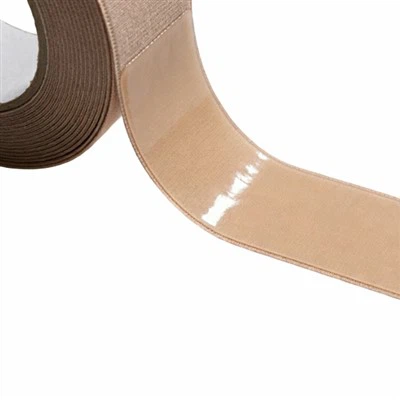
We also work with our customers to help them get the most out of their sensors, because we know that every person’s diabetes journey is different. For example, if you’re someone who sweats a lot, we suggest using a skin prep wipe before inserting the sensor to help the adhesive stick better. If you have sensitive skin, we offer hypoallergenic adhesive patches that can reduce irritation. If you’re active, we can share tips for inserting the sensor on areas that have less movement, like the upper arm instead of the abdomen, which stays in place better during workouts.
At the end of the day, the answer to “How long does a CGM sensor last?” is: it depends on the device, how you use it, and your own body. For most people, 7 to 14 days is the sweet spot—long enough to minimize insertion hassle, short enough to keep readings accurate and avoid skin issues. If you’re new to CGMs, or if you’re looking for a supplier that offers reliable sensors tailored to your needs, we’re here to help. We work with patients, caregivers, and healthcare providers to find the right CGM system for every lifestyle, and we’re happy to walk you through any questions you have about sensor lifespan, insertion, or use. Reach out to us to learn more about our CGM solutions and discuss your procurement needs.
Medical Hydrogel Adhesive References
- Patient-Centered Outcomes Research Institute (PCORI). Continuous Glucose Monitor Wear Time and Clinical Outcomes in Type 1 Diabetes. 2022.
- American Diabetes Association. Standards of Medical Care in Diabetes – 2023: Technology and Devices. Diabetes Care. 2023;46(Suppl 1):S58–S70.
- Journal of Diabetes Science and Technology. Accuracy of Continuous Glucose Monitors at Extended Wear Durations. 2022;16(3):541–548.
- Diabetic Medicine. Barriers to Continuous Glucose Monitor Adherence in Adults with Type 2 Diabetes. 2021;38(10):e14567.
Shenzhen Omori Biological Technology Co., Ltd.
We’re well-known as one of the leading CGM manufacturers and suppliers in China. We warmly welcome you to wholesale high quality CGM made in China here from our factory. If you have any enquiry about customized service, please feel free to email us.
Address: Floor4, No43, Langkou Industrial park, Dalang Street, Longhua District, Shenzhen City, Guangdong Province, China
E-mail: wya@omorimed.com
WebSite: https://www.omorimed.com/
